资源

This article explores the concept of humidity sensors using an Arduino platform, and how it can be integrated with Tinkercad for designing and building custom projects.

This article explores the importance, advantages, applications, future trends, and challenges of vibration sensors in various industries.
Explore the differences between MEMS - based vibration switches and traditional vibration switches in terms of size, sensitivity, energy efficiency, environmental resistance, and cost. Also, find answers to frequently asked questions about choosing between them.
This article explores the common types of vibration switches used in smart toys, including mercury, ball, spring, and piezoelectric switches, and answers frequently asked questions about them.

Explore how vibration switches revolutionize the smart toy industry, their diverse applications, outstanding performance, and answers to frequently asked questions.

Introduction The humidity sensor DHT11 is a popular choice for measuring the relative humidity of a given area. It provides accurate and reliable data, making it an essential component in various
Title: The Significance of Humidity and Temperature Sensors in Modern Indoor Environments In the world of technology, the ability to understand and monitor the environment is becoming increasingly
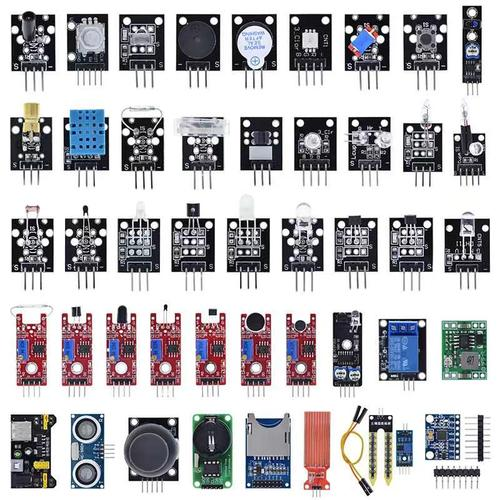
Measuring ambient conditions like temperature and humidity forms the bedrock of countless DIY projects, weather stations, greenhouse automation systems, and industrial monitoring setups. Among the most accessible sensors available today—both in cost and ease of use—stands the iconic DHT11. This small yet powerful device provides digital output for both parameters simultaneously over a single wire protocol, making integration surprisingly straightforward even for beginners. Unlocking its potential primarily involves writing correct code to interface with it. Let’s dive deep into understanding, implementing, and troubleshooting DHT11 sensor code effectively.Why Choose (and Understand) the DHT11?Before flashing any microcontroller, grasp why this sensor remains popular despite newer alternatives:Cost-Effectiveness: At pennies per unit, volume deployment becomes economical.Simplicity: Its single data pin communication protocol minimizes wiring complexity compared to analog s

This article explores the different types of tilt sensors, including liquid - based, MEMS, and optical tilt sensors. It details their working principles, advantages, disadvantages, and typical applications, and also answers frequently asked questions about tilt sensors.

This article explains the working principles of different types of tilt sensors, including liquid - based, MEMS, and optical tilt sensors. It also covers signal processing, factors affecting performance, and answers frequently asked questions about tilt sensors.