MCU

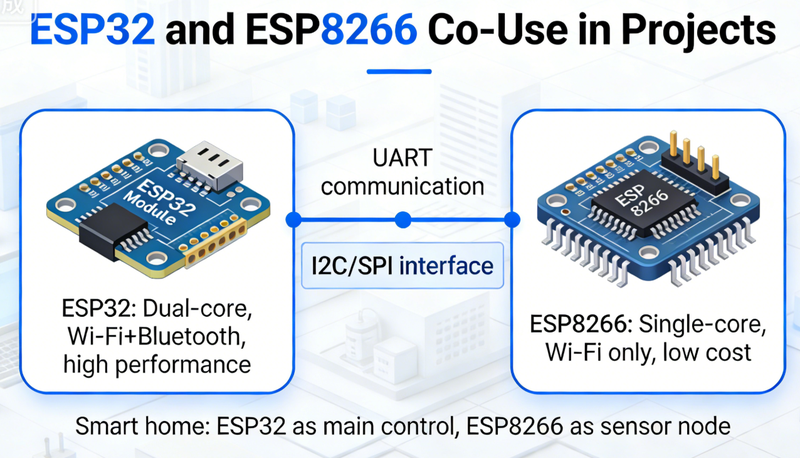
This guide provides a comprehensive introduction to the ESP32 development board, including its hardware features, setting up the development environment, writing and uploading programs, and answering frequently asked questions.

This article explores the crucial role of velocity sensors in robotics, including their importance, working principles, applications, challenges, and future directions. It highlights how they contribute to the precision and adaptability of robotic systems.
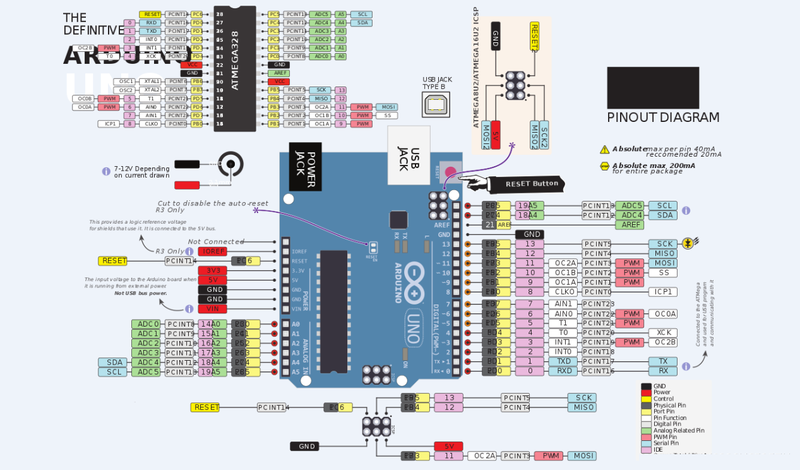
This article provides an in - depth analysis of the hardware features of the Arduino Uno R3, including the microcontroller, power supply, input/output pins, communication interfaces, reset button, and shield compatibility, helping users understand its capabilities and potential applications.
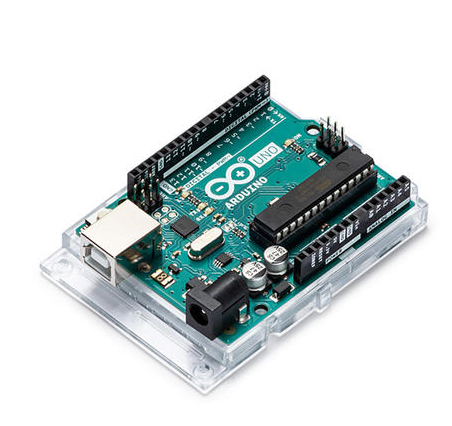
Arduino UNO is a microcontroller board based on the ATmega328P. It has 14 digital input/output pins (of which 6 can be used as PWM outputs)
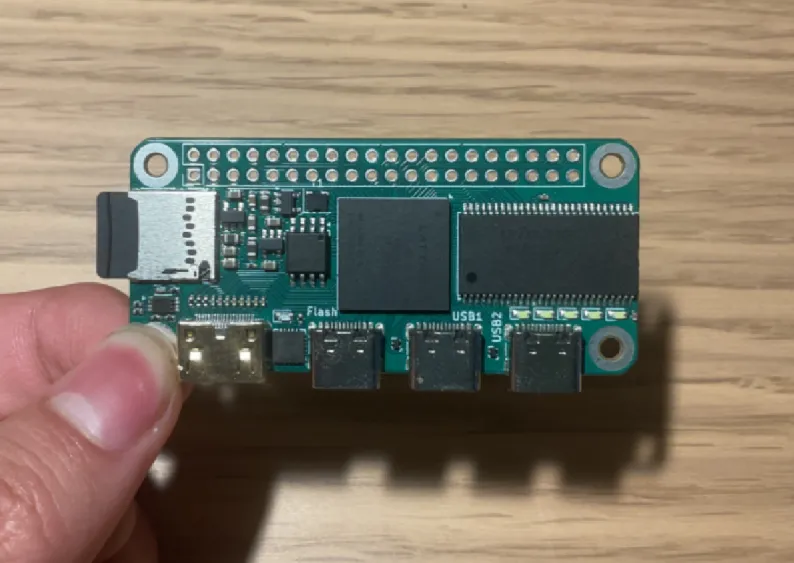
This article explores the practical application scenarios of Icepi Zero in IoT, edge computing, and education. It also presents case studies to illustrate its effectiveness in real - world projects.
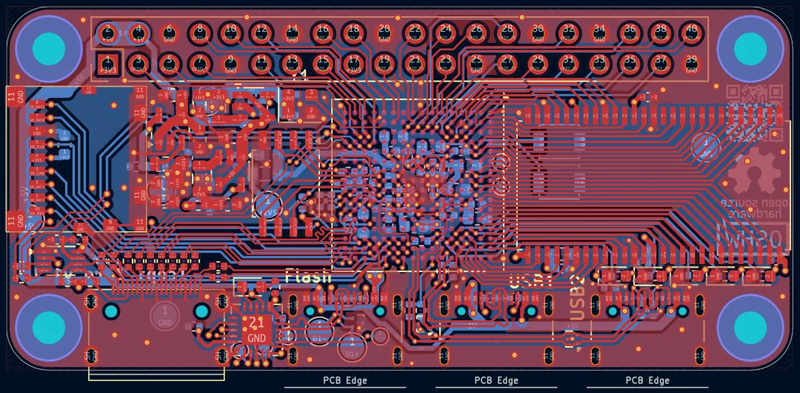
Analyze the suitability of the Icepi Zero for industrial control applications, including its advantages, limitations, and mitigation strategies.
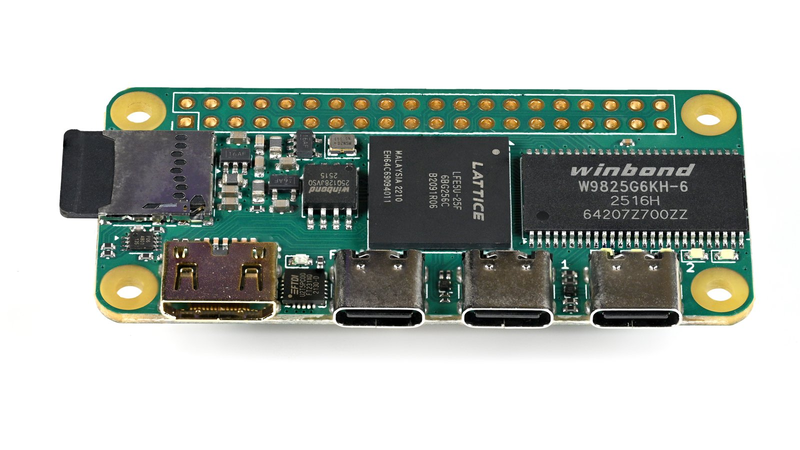
Learn about the Icepi Zero, including its hardware features, software compatibility, use cases, advantages, and limitations for different projects.
Learn how to decide between the Orange Pi Zero 3 and the Raspberry Pi for your project by considering factors such as performance, connectivity, software ecosystem, and cost.
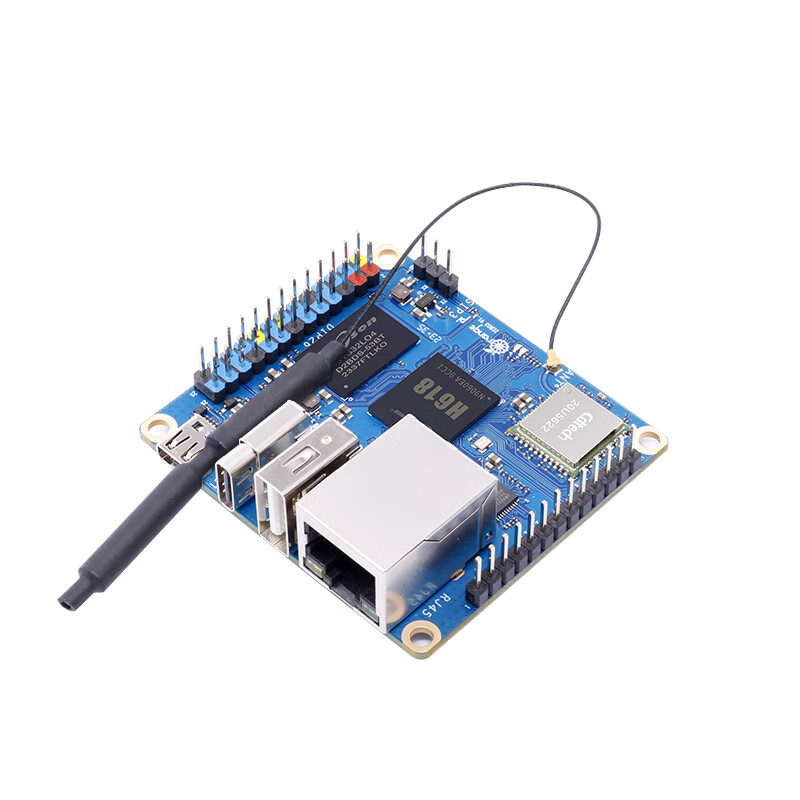
Explore whether the Orange Pi Zero 3 can run the Android operating system, considering its hardware compatibility, software support, and the challenges involved.
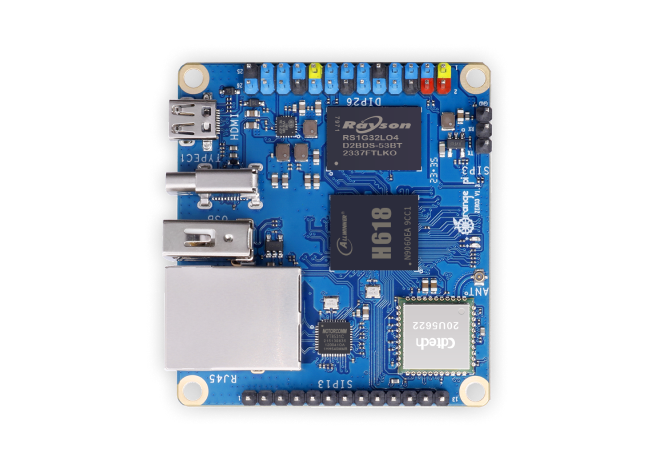
Discover the key features of the Orange Pi Zero 3, including its high - performance processor and GPU, flexible memory and storage options, extensive expansion ports, rich interface configuration, and open - source nature.